
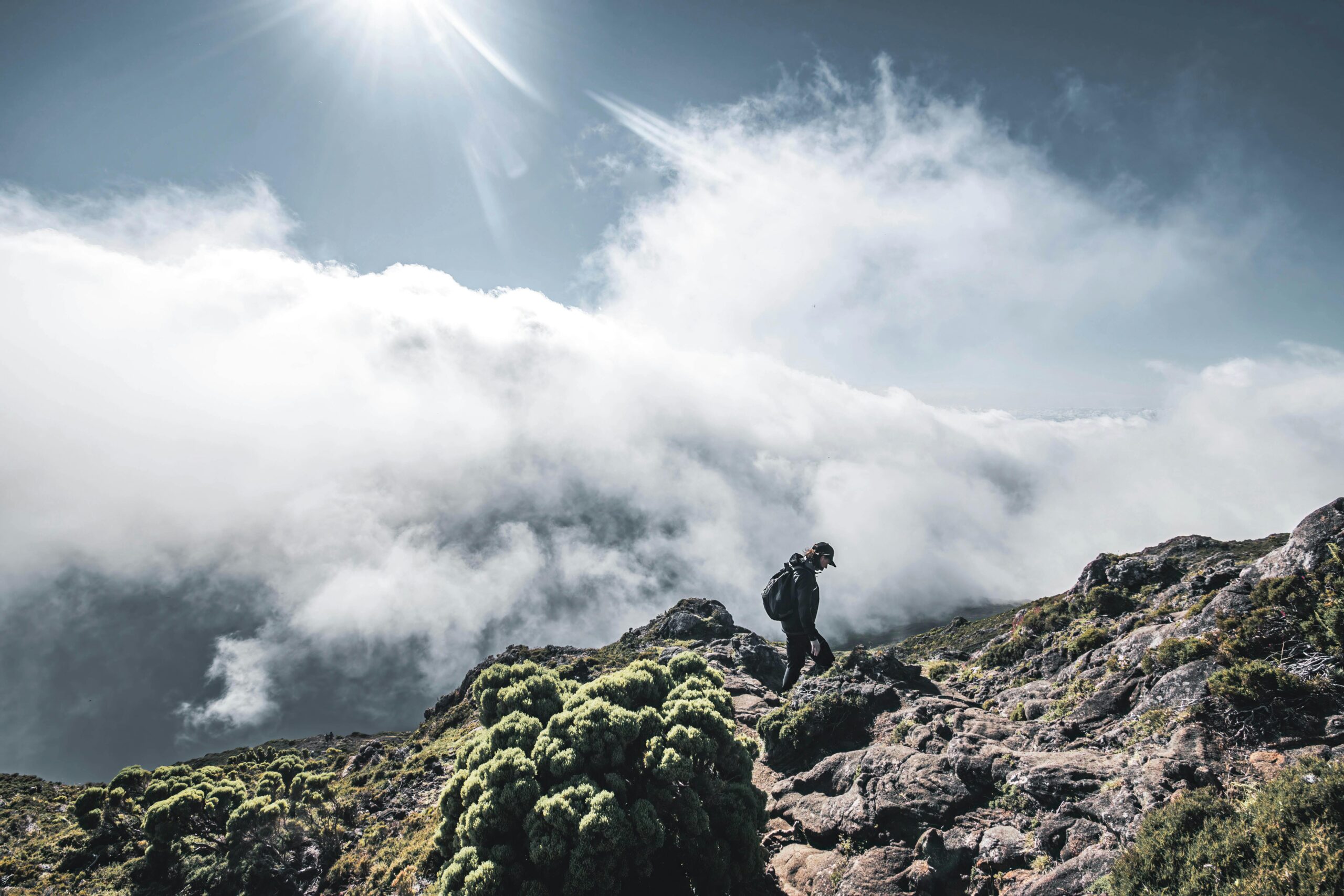
Preparing physically for Mount Kilimanjaro is one of the most important steps toward a successful summit. Although Kilimanjaro is a trekking mountain and does not require technical climbing skills, it is still a demanding multi-day hike at high altitude. Proper fitness preparation improves your endurance, reduces fatigue, and increases your chances of reaching Uhuru Peak safely. Experts generally recommend starting a focused training plan 8 to 12 weeks before the climb.
Start Training Early
The best way to prepare is to start early.
Ideally, begin training at least 2 to 3 months before your trek. This gives your body enough time to build stamina, strengthen muscles, and adapt gradually without risking injury. Starting early also helps build confidence and mental readiness for the challenge ahead.
Focus on Cardio Endurance
Cardiovascular fitness is essential for Kilimanjaro because you will be walking for many hours each day.
Good cardio exercises include:
- brisk walking
- jogging
- cycling
- swimming
- stair climbing
Aim for 3 to 5 sessions per week, with each session lasting 45 to 60 minutes. This helps improve how efficiently your body uses oxygen, which is very important at altitude.
Practice Hiking Regularly
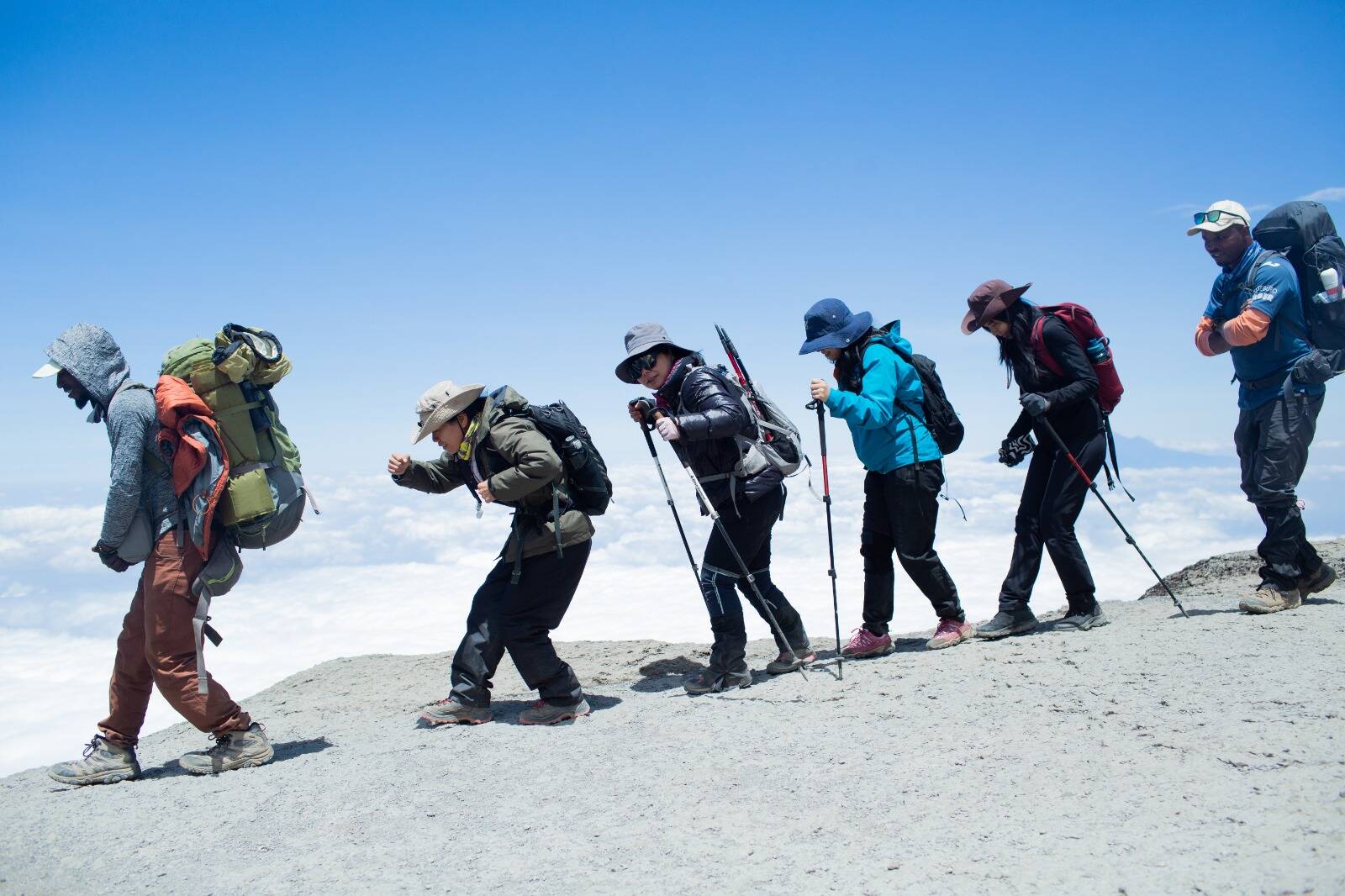
The best training for Kilimanjaro is hiking.
Try to hike on hills, uneven trails, or mountain paths whenever possible. Weekend hikes of 2 to 6 hours are excellent preparation because they simulate the real trekking experience. If you do not have access to hills, stair climbing is a great alternative.
Strengthen Your Legs and Core
Strong leg muscles and a stable core help you manage steep ascents and descents.
Focus on exercises such as:
- squats
- lunges
- step-ups
- calf raises
- planks
Try to do strength workouts 2 to 3 times per week. These exercises help prevent fatigue and reduce the risk of injury during long trekking days.
Train with a Backpack
During the climb, you will carry a daypack with water, snacks, and personal items.
To prepare, practice hiking with a 6 to 8 kg backpack. This helps your shoulders, back, and legs adjust to the extra weight and makes the real climb feel easier.
Build Mental Strength
Physical fitness is important, but mental strength is equally important.
Summit night can be cold, long, and exhausting. Training your mind to stay positive and keep moving when tired is a key part of success. Long hikes and endurance sessions help build this mental resilience.