
Kilimanjaro Altitude Acclimatization
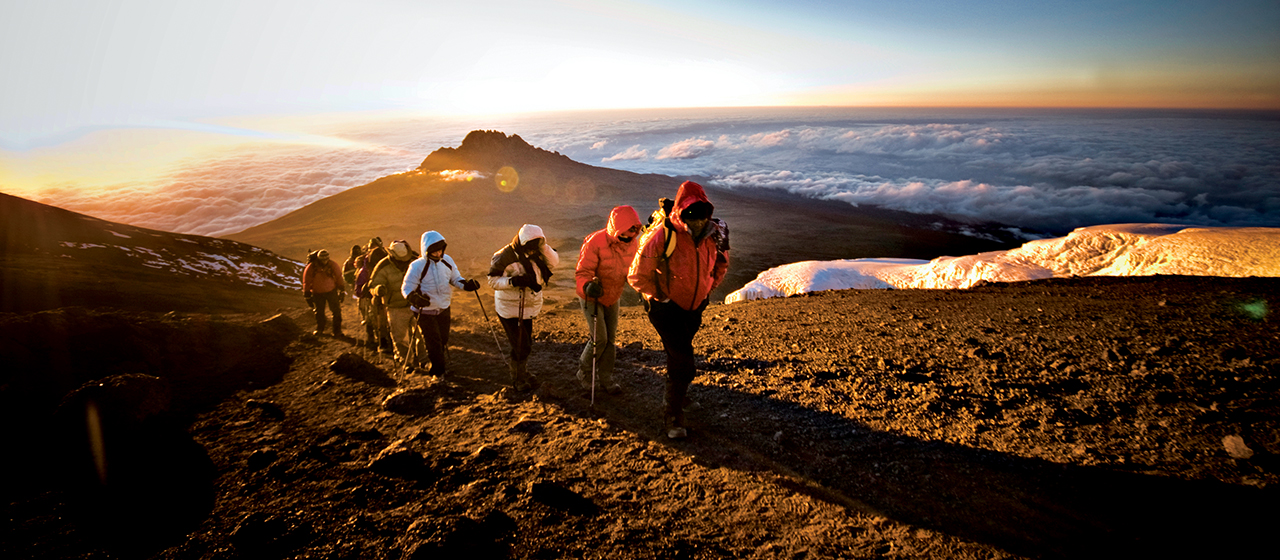
Kilimanjaro Altitude Acclimatization
Understanding Altitude and Preparing Your Body for the Climb
Climbing Mount Kilimanjaro is an incredible adventure, but altitude is one of the biggest challenges trekkers face. As you ascend above 2,500 meters, the oxygen level decreases, making it harder for your body to function normally. Proper acclimatization is the key to reaching the summit safely and successfully.
Altitude sickness can affect anyone, regardless of age or fitness level. That’s why understanding how acclimatization works and preparing properly can make a significant difference in your climbing experience.
What is Altitude Acclimatization?
Altitude acclimatization is the process by which your body adjusts to lower oxygen levels at higher elevations. As you climb higher, your body needs time to adapt by producing more red blood cells and improving oxygen delivery to your muscles.
Without proper acclimatization, climbers may experience symptoms such as headaches, nausea, dizziness, and fatigue. In severe cases, altitude sickness can become dangerous, which is why gradual ascent and proper planning are essential.
Common Symptoms of Altitude Sickness
It is important to recognize the early signs of altitude sickness so you can act quickly. Common symptoms include:
- Headache
- Loss of appetite
- Nausea or vomiting
- Difficulty sleeping
- Shortness of breath
- Fatigue and weakness
If symptoms worsen, it is important to inform your guide immediately. Professional guides are trained to monitor your condition and take necessary action to keep you safe.
Best Acclimatization Strategies on Kilimanjaro
One of the most effective ways to acclimatize is to follow the “climb high, sleep low” principle. This means ascending to a higher altitude during the day and then descending slightly to sleep. This helps your body gradually adjust.
Choosing a longer route also improves your chances of success. Routes like Lemosho, Machame, and Northern Circuit allow more time for acclimatization compared to shorter routes.
Walking slowly is another key factor. A steady pace helps conserve energy and allows your body to adapt more effectively. Guides often remind climbers to go “pole pole,” which means “slowly” in Swahili.
Hydration and Nutrition at High Altitude
Staying hydrated is essential during your climb. Drinking 3–4 liters of water daily helps your body cope with altitude changes and reduces the risk of sickness.
Eating well is equally important. Even if your appetite decreases, try to consume enough calories to maintain your energy levels. Meals on Kilimanjaro are designed to provide the nutrients needed for high-altitude trekking.
The Role of Guides and Safety Measures
Experienced guides play a crucial role in your acclimatization process. They monitor your health daily, checking oxygen levels and watching for symptoms of altitude sickness.
A good tour operator ensures proper planning, quality equipment, and trained staff to support you throughout the climb. Safety is always the top priority, and having a professional team increases your chances of reaching the summit.
Tips to Improve Your Summit Success Rate
To improve your chances of reaching Uhuru Peak, consider the following tips:
- Choose a longer itinerary (7–9 days)
- Walk slowly and maintain a steady pace
- Stay hydrated at all times
- Listen to your guide’s advice
- Get proper rest each day
- Be mentally prepared for the challenge
Acclimatization is the Key to Success
Altitude acclimatization is not something you can rush. Taking your time to adjust properly increases your chances of a safe and successful climb. Remember, reaching the summit is important, but your health and safety come first.
With the right preparation, guidance, and mindset, climbing Mount Kilimanjaro becomes an unforgettable and rewarding experience